Showing posts with label Moscow House of Photography. Show all posts

Tuesday, May 21, 2013

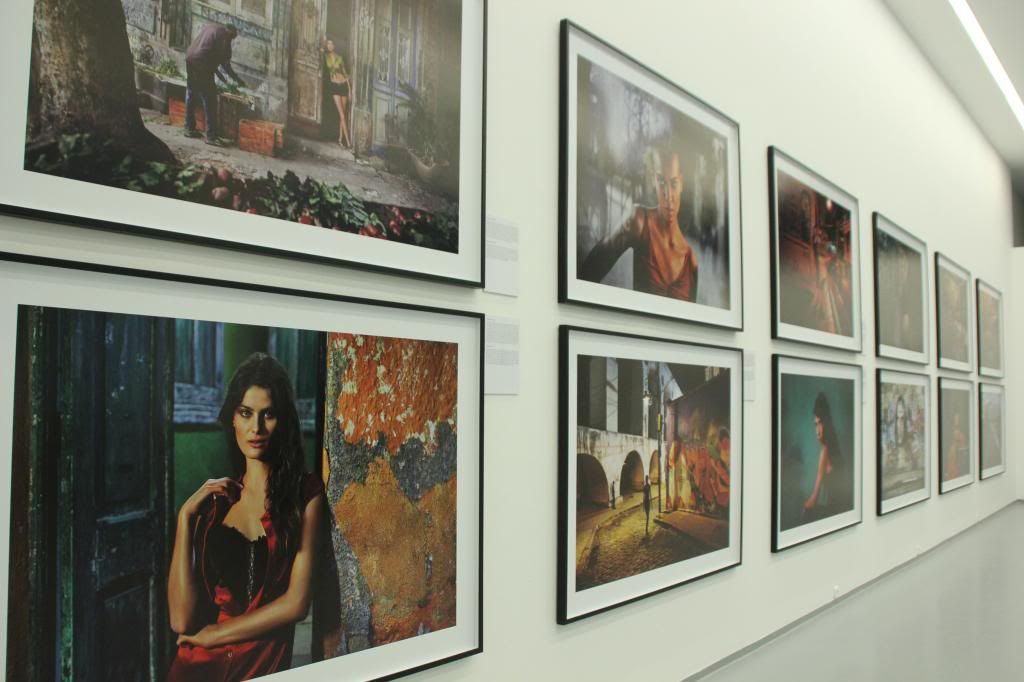
The magic of RIO - Pirelli Calendar 2013 - at MAMM Moscow

Photographer: Steve McCurry


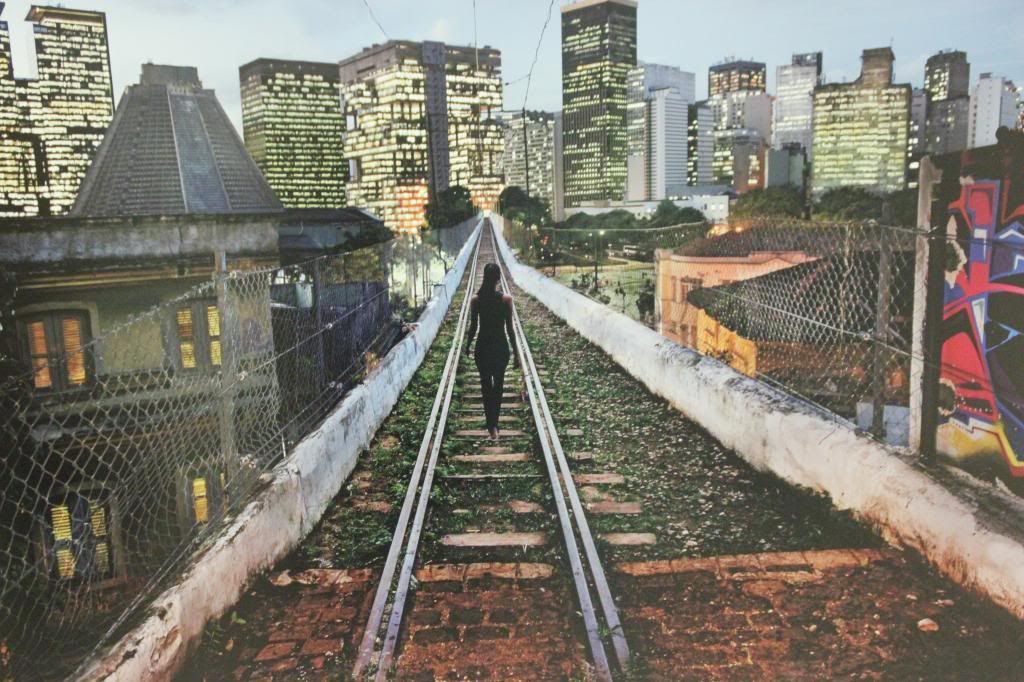
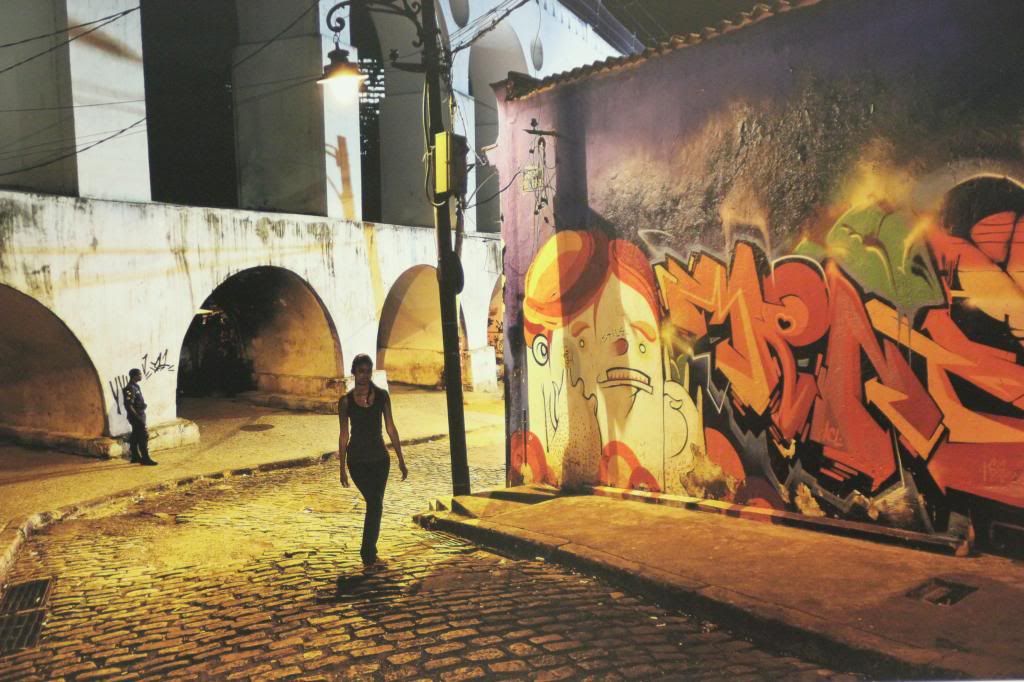
The Rio depicted here suggests the history of Brazil, a country transformed - colonized, plundered and repopulated until it exploded with European and African intensities as well as all indigenous feathered shrieks. The photos show a homegrown culture of impulses and improvisations - syncretic, an anthropologist might say , a fusion of cultures, a people taking possession of different rituals or beliefs and making them their own. That too is magical. The music and dance and even the graffiti adds to the transformation; the human touch in the painted walls, the casual dress is the Cariocas' assertion of their own lives and their neighborhoods, turning their walls into murals and even their bodies into art objects, as body builders and dancers.

The capoeira - shown here as vigorous tumbling - is distinctly Brazilian and centuries old, combining movement and music that is both an aesthetic and a system of combat, like magic in action: a martial art, sometimes improvisational and artful. And the graffiti is not (as in some cities vandalism), but an enhancement, mural or maquillage on a wall, a street, in alcoves and markets, on the rooftops.

Here are images of abundance - plenty of everything, food, fruit, colour, music; an abundance of light, too, but sometimes wayward and revealing light. The young girl at the market stall, anxiously clutching her head, stands before an impressive pile of multicoloured peppers, She is alone, but so are many of other people in the city, especially  the solitary air of the woman talking away, along the Arcos de Lapa aqueduct, with a teasing suggestion of 'follow me'. She is a telling shadow; there is as much life in these shadows as in naked light.
Monday, April 29, 2013

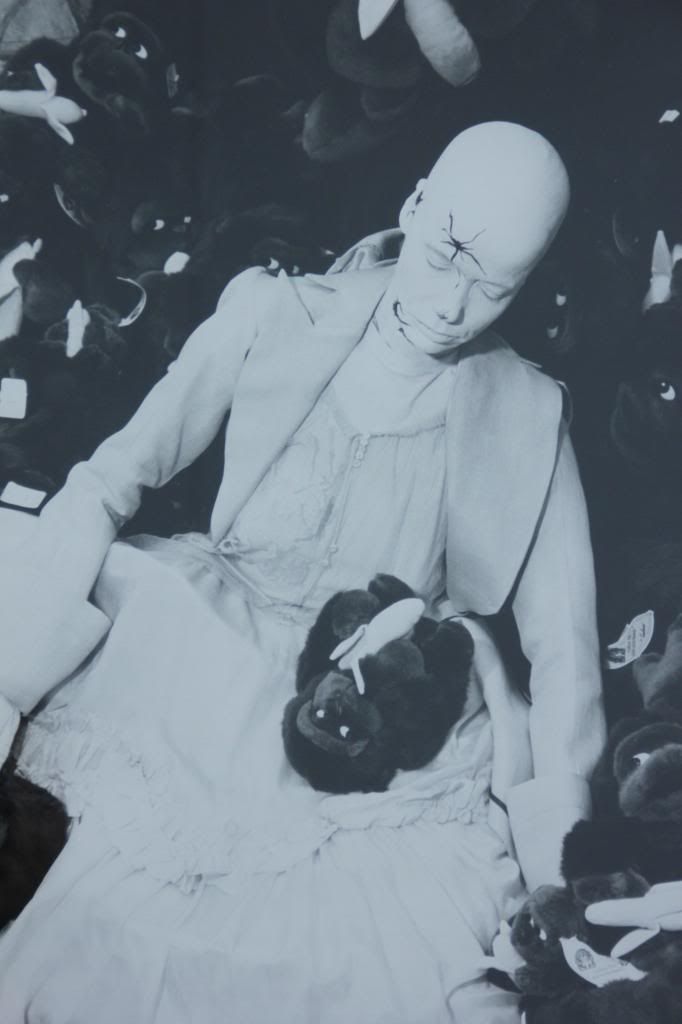
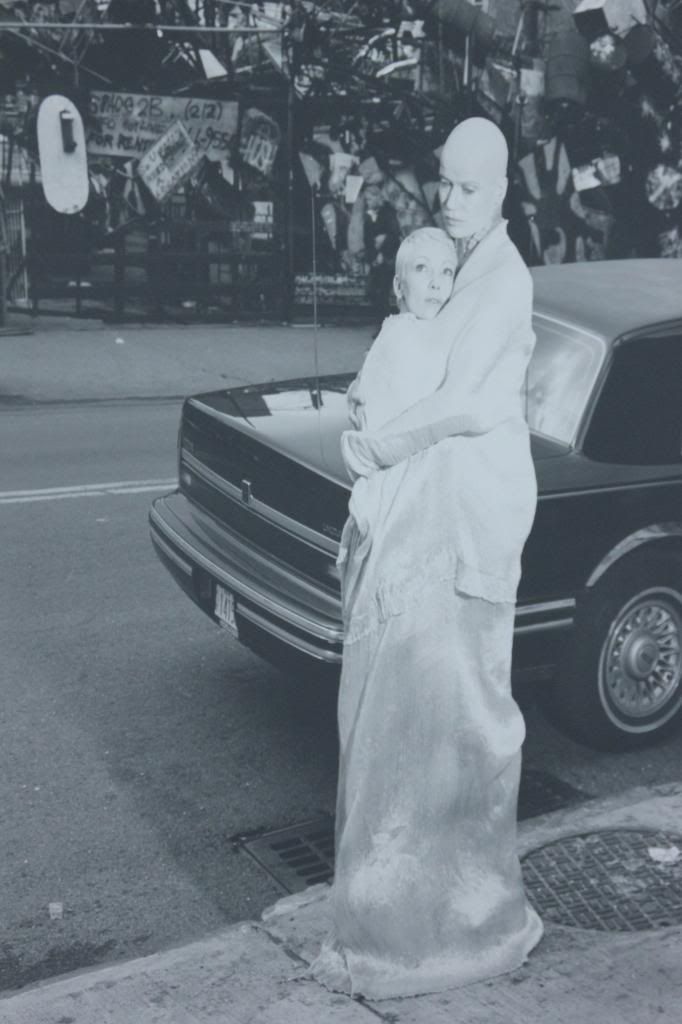
Veruschka. Self Portraits at the MAMM Moscow

Performance: Vera Lehndorff
Photographer: Andreas Hubertus Ilse

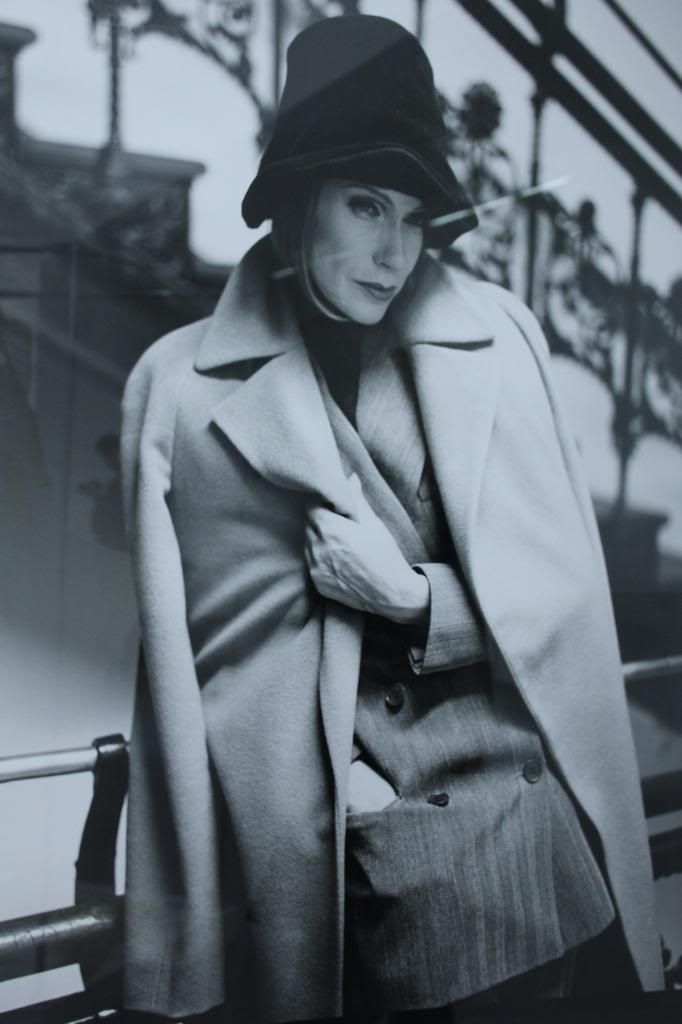
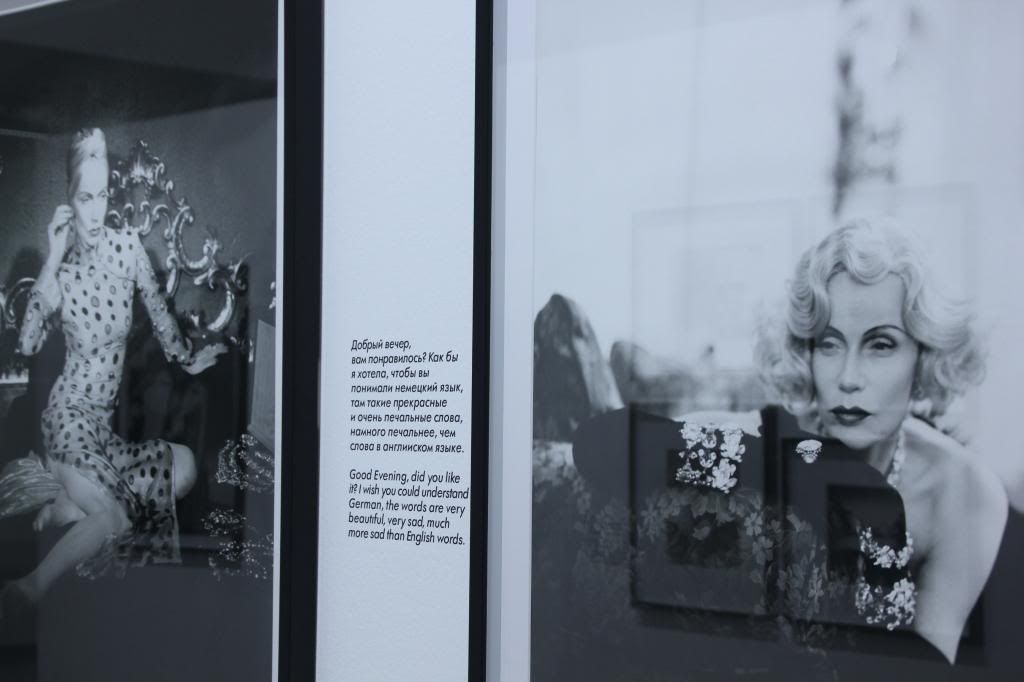
Veruschka is a name that, without exaggeration, determined the course of world fashion in the mid-20th century. Tall, imposing, with Nordic restraint, she was entirely different from models of the previous generation who resembled 'dressed-up housewives'. It was as if time and fashion adapted to her , accepted her will and her concept of true beauty, which bestowed extraordinary freedom of action. Thank to Veruschka, the whole structure of internal relations within the fashion world was turned upside-down: between photographer, model, editor and stylist. At one time or another they all followed Vera's creative energy, yielded to and captured the images she invented, and the scale of those fashion shoots from the Diana Vreeland era of American Vogue were reminiscent of a world recreated and reimagined, with a single heroine who constantly metamorphosed, assuming diverse images, transforming her surroundings and on each occasion the shoot became a serious artistic expermiment rather than expenditure of advertising budgets. Consistently destroyinh the notion of the model as a mute and detached mannequin, she infiltrated the essence of fashion to such an extent that both she and her epoch became legendary.

After departing from the world of fashion in the late a970s, which by that time seemed weary of the radical experiments and fruit of sexual and intellectual emancipation, Vera Lehndroff found herself in the artistic context most congenial to her, and naturally continued with the series of transformations and experiments with her own capacity for plastic movement, like the organism of a superhuman or ideal being which could inexplicably overcome gravity and bipedalism, whose proportions were ostensibly destined for another, more perfect space. (...)

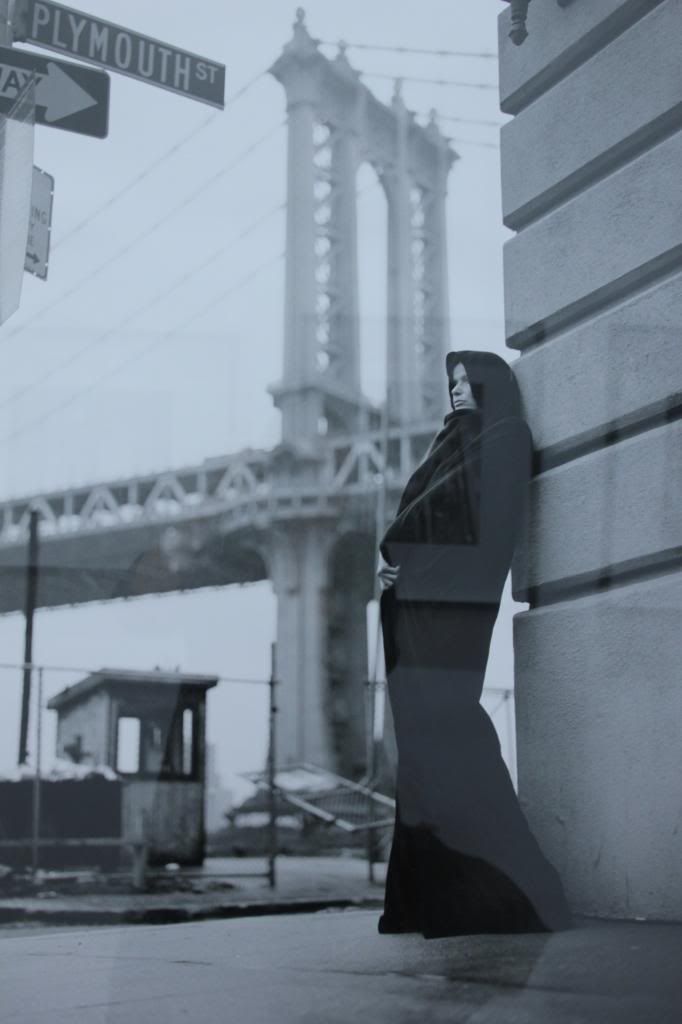
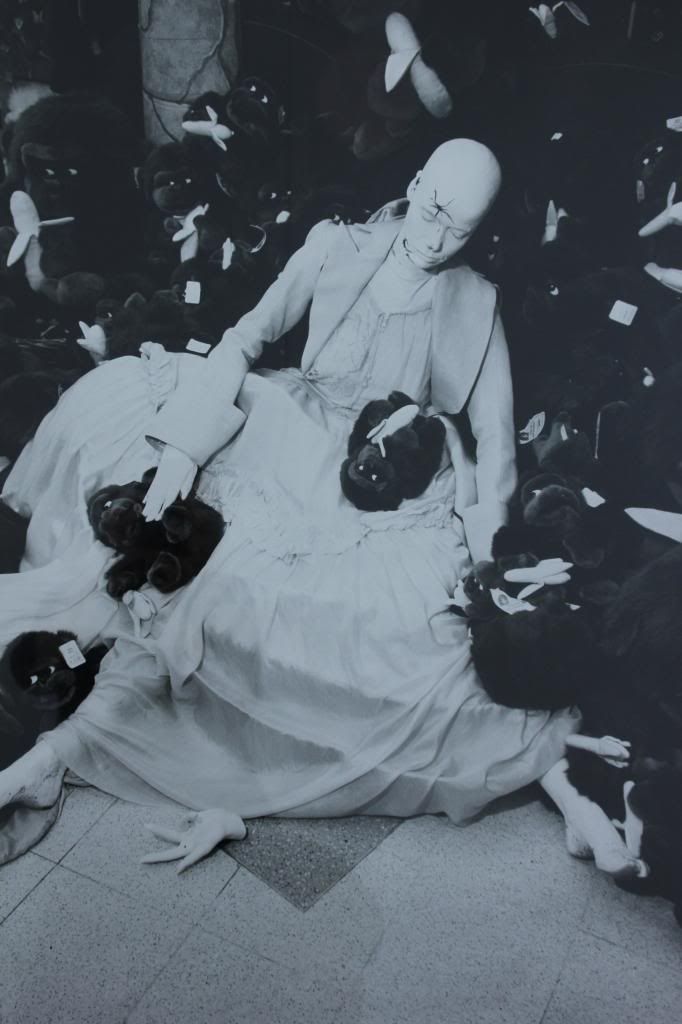
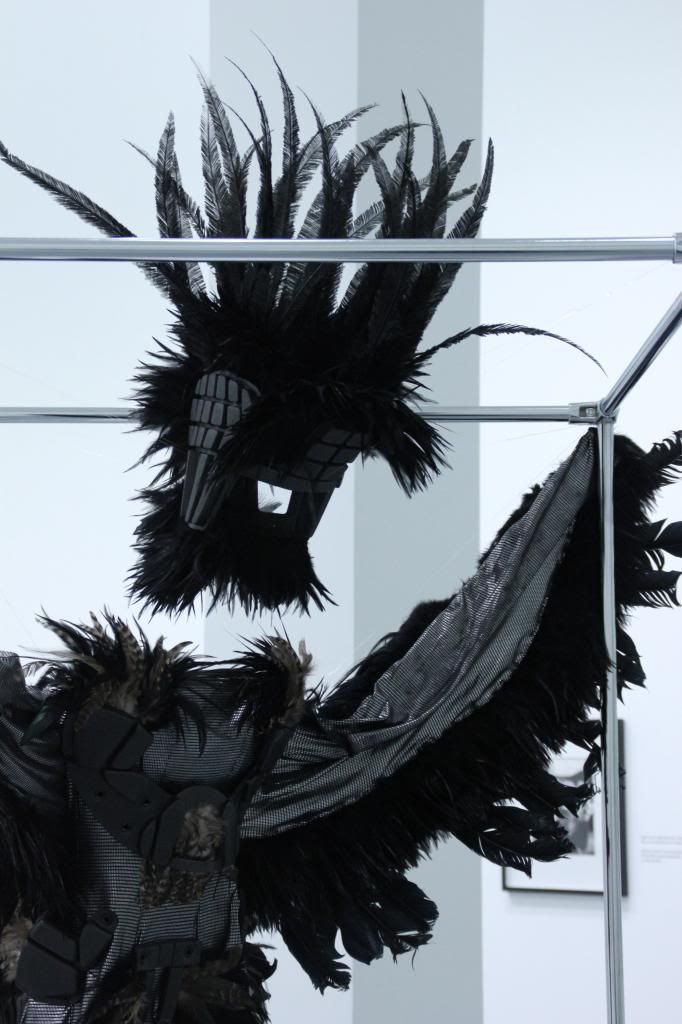
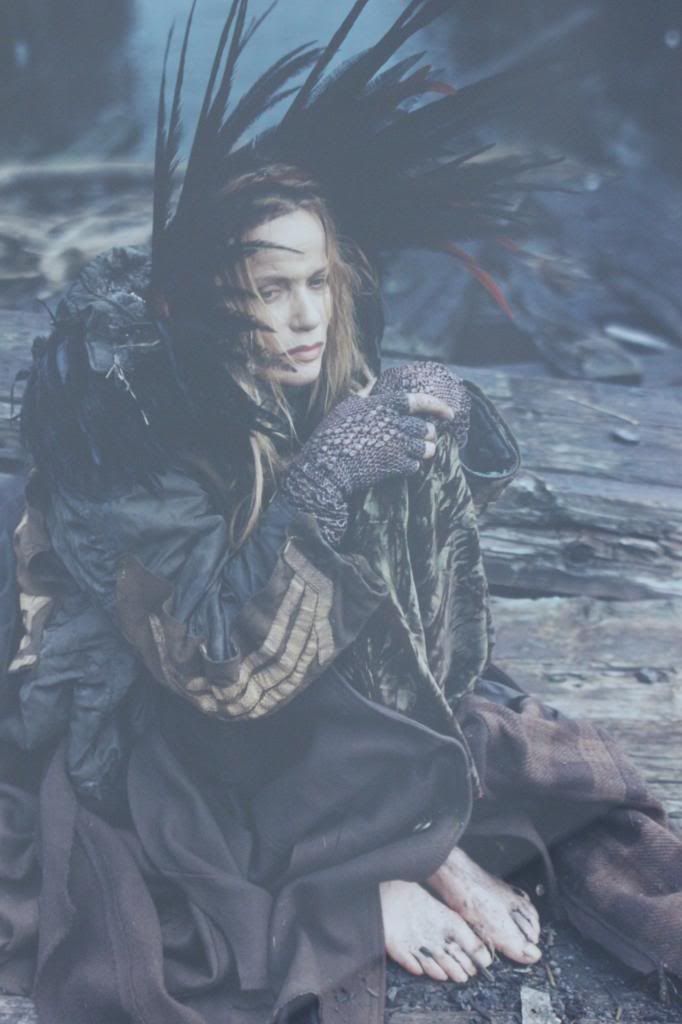
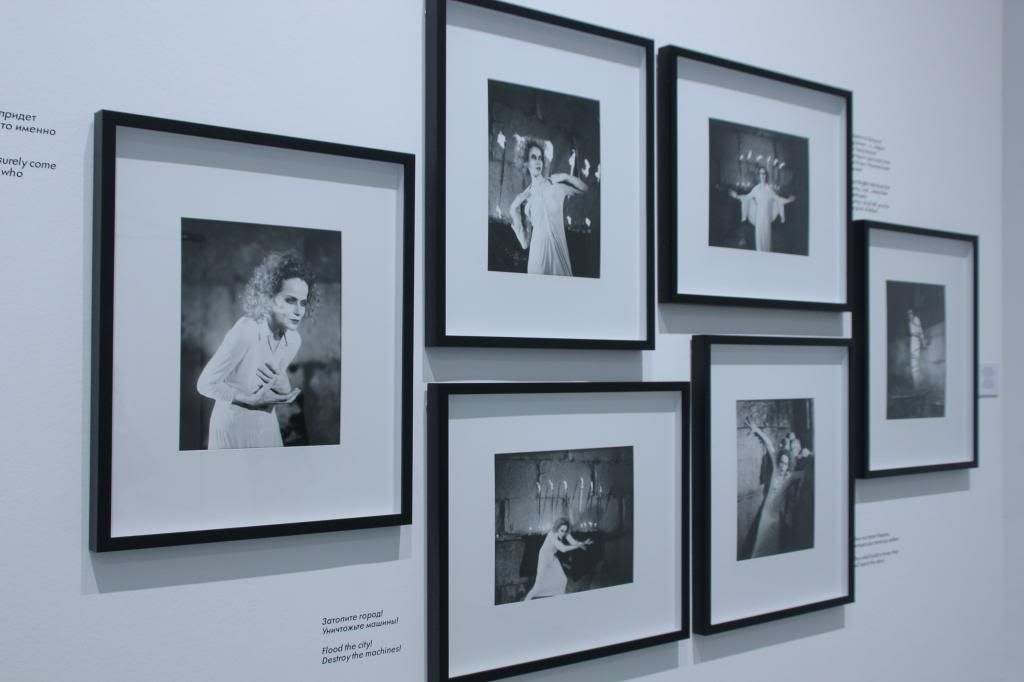
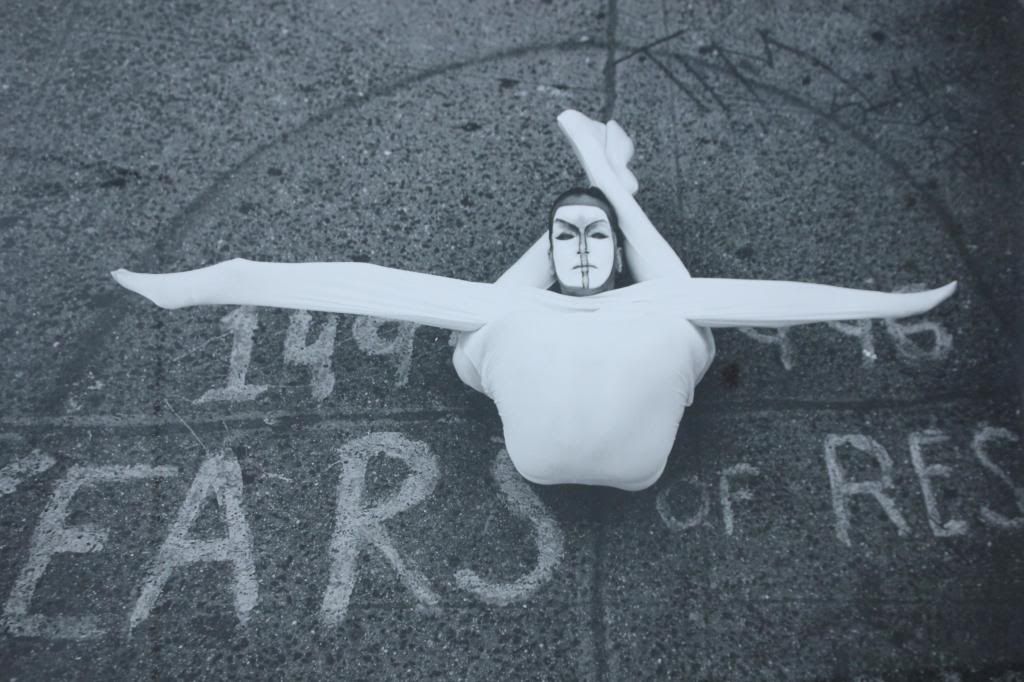
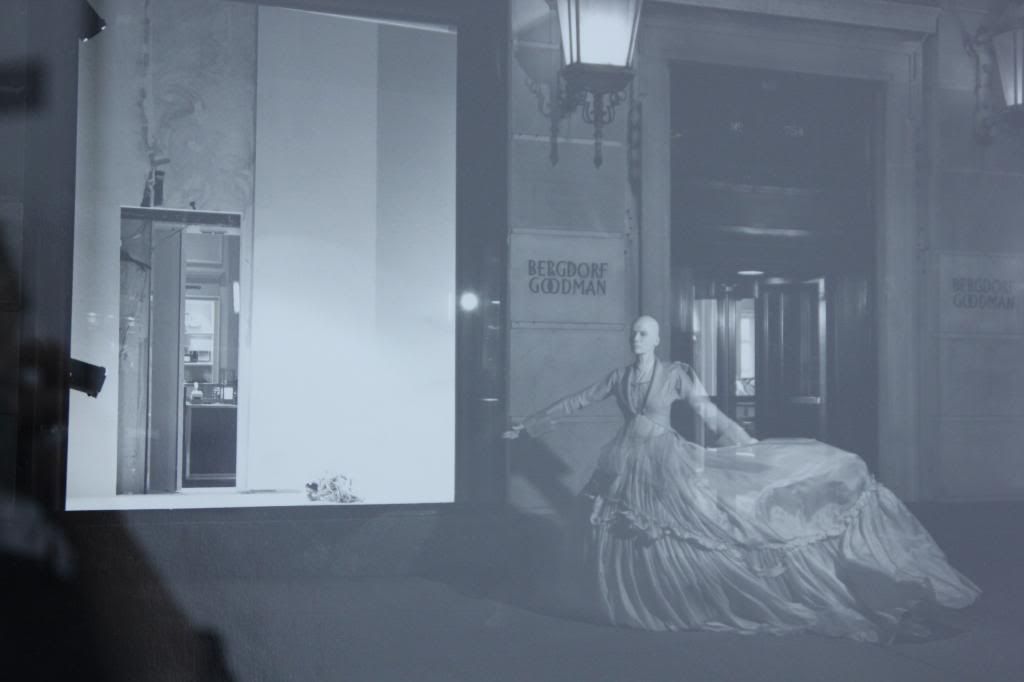
In the Self-Portraits series exhibited at MAMM Lehndorff complicates her task while maintaining her former, hypersensitive relations with space. It is no coincidence that the series is sub-headed 'New York' : this is not a conditionally designated dot on the world map, but an actual city that Lehndorff knows, feeling its energy and the whole complex character structure - where there are fictional and real heroes - is united by topos. This appears to be the first series by Vera Lehndroff in which we have such a distinct feeling of the thirst for a storyline, or more precisely, a special kind of narration - lehndorff tells stories, hints at their beginning and continuation, often interrupting then, leading to the tultimate absurdity; she makes an irony of the spectator's expectations, leads us down a blond alley, meanwhile revealing the ineffectuality of stereotypes created by glossy magazines, public opinion, good taste, etc. These Self-Portraits were collected not by an artist, but by a competent artistic director who controls numerous storylines and the geometric structure of the shot. Metamorphosing into Garbo, Marlene, a space alien, a doug outside the White House, a zebra in Central park, a punk, a fashion victim - it seems that Vera Lehndroff achieves complete physical and plastic perfection in matery of her own body, an artistic medium, as in her model-epoch, remains as sensuous as ever, close to our concept of an ideal being. Ekaterina Inozemtseva